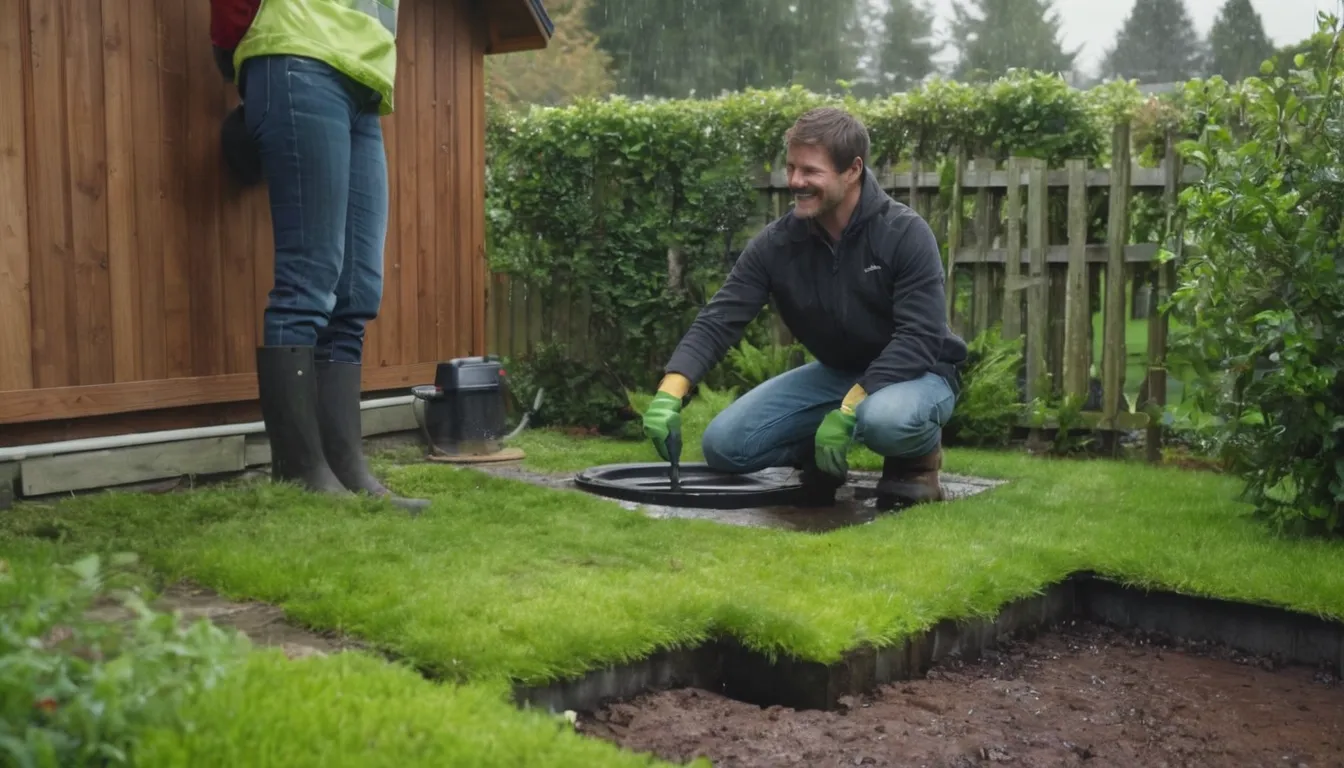
Septic system repair covers the fixes that keep wastewater moving away from your home. That can mean a cracked pipe, a failed baffle, a worn pump, or a drainfield that no longer absorbs water. The sooner a provider looks, the more options you usually have. Wet weather and older systems can speed up trouble, so an early check often saves money.
Devicesterritory Septic is a referral service. It connects homeowners across the Tacoma area with independent local providers who inspect the system, explain the cause, and do the repair. Providers set their own prices, so ask for a written quote. Request an estimate with no obligation, and compare what each provider finds before you decide. Use this page to learn the signs, the timeline, and the costs.
Check the clock first
Septic trouble follows a pattern. First, a small sign. Next, a spread. Then, a bigger repair. This page follows that timeline, so you can act at the right point. Providers in our network do the work. Devicesterritory Septic helps you reach one.
The first few hours: spot the sign
Look for these:
- Slow drains in more than one room
- Gurgling pipes after a flush
- A toilet that backs up
- A sewage smell indoors or near the tank
One slow sink is often just a clog. Several signs at once point to the system. Cut back on water use now. Skip laundry and long showers.
Day one to day three: what changes
Wastewater has nowhere to go. It rises in the tank and pushes toward the house or the yard. Soggy patches may show up over the drainfield. In a long wet season, the soil is already full, so the problem shows faster.
Request a callback to check provider availability. Many providers can respond quickly when sewage is backing up.
Get Started
Week one: damage spreads
Standing wastewater can soak into soil, flooring, and crawl spaces. Damp crawl spaces under wood-frame homes invite mold and rot. The smell gets stronger. Grass over the field may turn extra green or start to sink.
If you use a private well, tell the provider. Ask about water well service and testing, since sewage and drinking water should stay apart.
Weeks to months: the costly stage
Solids that reach the drainfield clog the soil. Then the soil cannot absorb water. A repair can turn into a replacement. Timing often decides which one you face.
When it is an emergency
Sewage in the house or pooling in the yard calls for emergency septic cleaning. A provider can pump the tank to stop the flow. Then they look for the cause. Keep kids and pets away from the area. Windstorms can also knock out power to a pump system, so mention any recent outage.
Common septic system problems
- Full tank: needs septic tank pumping, then a check for why it filled
- Broken baffle or tee: lets solids slip out
- Clogged effluent filter: slows the flow
- Cracked pipe: leaks between house and tank
- Failed pump or float: common in pump systems
- Tree roots: crack pipes and invade lines
- Saturated drainfield: too wet or clogged to absorb water
How the repair works
- First: the provider asks about your signs and finds the tank lids.
- Next: they inspect the tank, baffles, pipes, and field. They may pump the tank to see inside.
- Then: they explain the cause and give a written quote.
- Last: they make the repair and check that water flows as it should.
Drainfield repair and replacement
Drainfield repair depends on how much of the field has failed. Some fixes are small. A provider may fix a broken distribution box, clear a blocked line, or rest part of the field. Other fields need new trenches or a new bed. Local soil rules and permits can apply, and a provider can explain what your area requires.
Repair or replace?
Ask these questions:
- Is the damage limited to one part?
- Is the field soggy only in wet months, or all year?
- How old is the system?
- Was the cause fixed, such as roots or overuse?
Repair suits a single failed part. Replacement suits a tired field with repeat failures. An older craftsman house may have an older system, so ask what the provider finds.
What drives the price
- Which part failed
- Access: digging, tight crawl spaces, or a buried tank
- Soil and site layout
- Permits and inspections
- System size and age
Price can jump when a job grows from one part to a whole field. That is why timing matters.
Get Started
Get it in writing
A solid quote lists the work, parts, permits, and what happens if the provider finds more damage. Compare more than one quote when you can. Prices vary by job.
After the repair: protect the system
- Pump the tank on the schedule a provider suggests
- Spread out laundry loads
- Flush only toilet paper
- Keep cars and heavy equipment off the field
- Keep tree roots away from lines
- Fix leaky fixtures
Care in the wet season
Steady rain fills the soil. Point gutters and downspouts away from the field. Moss and damp can hide wet spots, so walk the area after storms. Note any new soggy or sunken ground.
Questions to ask the provider
- What caused the failure?
- Is this a repair or a replacement?
- What is in the written quote?
- Are permits part of the price?
- What should I watch for after the work?
- How often should I pump the tank?
Insurance and records
Some policies may cover sudden damage, so check your policy. Providers can often help document damage for a claim. Keep photos, dates, and receipts.
Your next step
Write down your signs and the date each one began. Then request a callback to see which providers are available, or send a request through the form.
Get Started
What's Included
Full Inspection
A provider checks the tank, baffles, pipes, and drainfield to find the real cause of the trouble.
Part Repairs
Fixes for baffles, filters, pumps, lids, and cracked pipes.
Drainfield Work and Replacement
Repair of blocked lines and boxes, or new trenches when the field has failed.
Written Quote
Work, parts, and permits listed before the repair begins.
Typical Septic Repair Price Ranges
These are typical U.S. ranges. Your price depends on the failed part, access, soil, and permits. Get a written quote before any work starts, and ask what could change it.
| Item | Typical range | Notes |
|---|
| Inspection and diagnosis | $100 – $500 | Often includes locating and opening the tank |
| Baffle, tee, or filter repair | $200 – $800 | Small parts, quick access |
| Lid or riser install | $300 – $1,000 | Makes the tank easier to reach |
| Pump or float replacement | $500 – $2,000 | Pump systems only |
| Pipe repair, house to tank | $1,000 – $4,000 | Digging and depth raise the cost |
| Drainfield repair or replacement | $2,000 – $25,000 | Wide range; soil and permits matter |
Get Started
How It Works
Spot the sign
Note slow drains, gurgling, smells, or soggy ground, and write down the date each began.
Check the clock
Cut back on water use and decide whether sewage is backing up or pooling.
Reach a provider
Request a callback to check availability, or request an estimate through the form.
Get it in writing
Review the cause, the repair plan, and the quote before work starts.
Why Call Devicesterritory Septic
Independent Local Providers
Providers in our network are local businesses that inspect, explain, and do the repair themselves.
Clear Timeline
This page shows what happens hour by hour, so you know when to act on a sign.
Price Clarity
Learn what drives the cost and why a written quote protects you.
No Obligation
Request an estimate and compare providers before you choose anyone.
Other Services